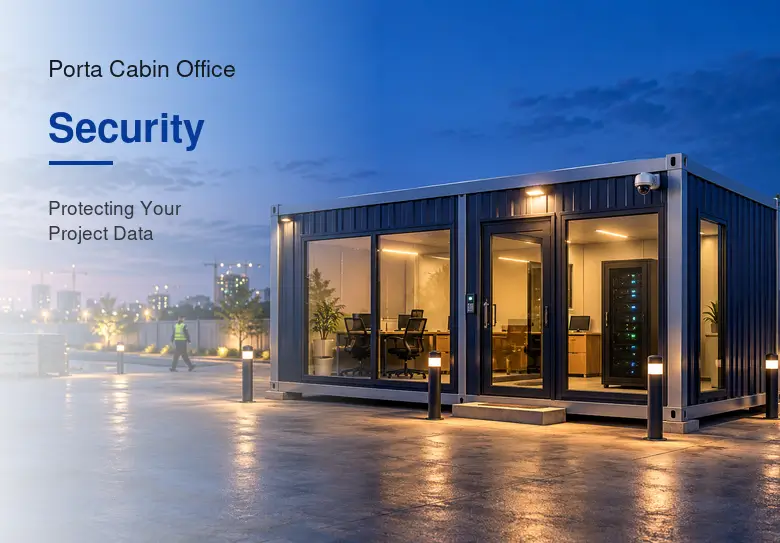
Introduction: Securing Your Project’s Most Valuable Assets
For project managers, lead engineers, and B2B procurement teams overseeing major industrial developments across Eastern India, physical site security is a well-documented priority. However, as modern construction and infrastructure projects become increasingly digitized, a new and far more critical vulnerability has emerged: the protection of project data. From the bustling maritime ports of Haldia to the expanding manufacturing hubs along the NH6 Corridor, on-site administrative teams are constantly handling sensitive Building Information Modeling (BIM) files, confidential payroll records, expensive IT servers, and high-value procurement contracts. Storing this critical digital and physical data in a vulnerable, temporary shed is a massive corporate liability.
In today’s fast-paced industrial landscape, securing your engineering data requires more than just a padlock; it requires a fortified, climate-controlled environment. The most strategic, immediate solution to safeguard your team and their digital assets is to deploy a high-security porta cabin office. Unlike flimsy temporary structures, a heavy-duty prefabricated workspace provides an impenetrable physical vault for your hardware while bypassing the unpredictable delays and sunk costs of traditional civil construction. This comprehensive guide explores the technical security methodologies, structural engineering specifications, and strategic layout designs required to protect your project data in the most demanding environments.
Core Topic Deep-Dive: Security Strategies for Your porta cabin office
Protecting project data in a remote or highly active industrial environment requires a multi-layered approach to security. A premium Modular Office Cabin must act as a physical fortress against unauthorized intrusion while simultaneously providing a highly optimized, climate-controlled sanctuary that prevents environmental damage to sensitive IT infrastructure.
1. Physical Access Control and Perimeter Defense
The first layer of data protection is strictly controlling who can physically access your site servers and administrative workstations. The structural shell of your workspace must be engineered to deter and withstand forced entry. A standard temporary shed can be easily breached, but a heavy-duty modular unit is constructed as a monolithic steel box. By integrating heavy-duty steel doors equipped with internal and external hatch bolts, and reinforcing all entry points, project managers can ensure that unauthorized personnel cannot access sensitive documents or network hardware during off-hours.
2. Integrating Digital Security and Surveillance
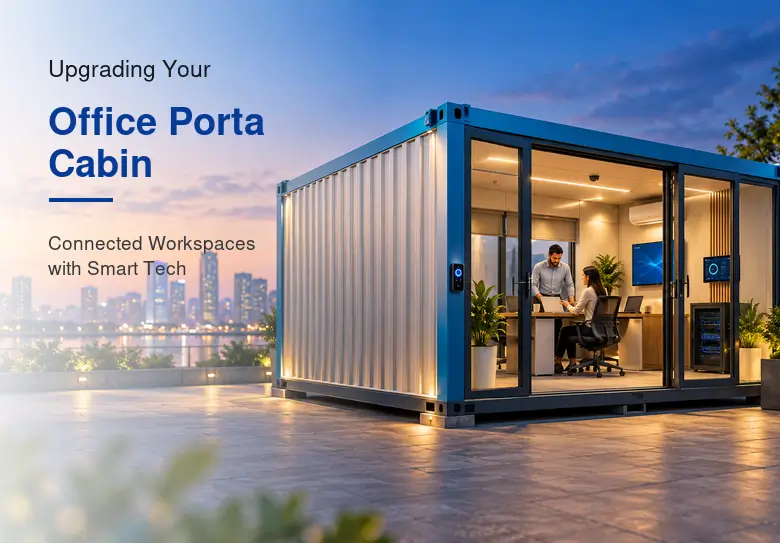
A modern workspace must seamlessly integrate with advanced digital security systems. When designing your layout, ensure that the electrical framework can support comprehensive CCTV networks, biometric access control panels at the main entryways, and motion-sensor alarm systems. By utilizing factory-fitted, concealed PVC conduits for both electrical and LAN cables, you eliminate external wiring vulnerabilities that could otherwise be tampered with or accidentally severed by heavy machinery operating nearby[cite: 21].
3. Protecting IT Hardware from Environmental Threats
Data loss on construction sites is rarely caused by espionage; it is most frequently caused by environmental damage. Extreme heat, high humidity, and airborne industrial dust can quickly destroy computer servers and workstations. A high-quality Readymade Cabin combats these threats through advanced weather-sealing and thermal regulation. By isolating your IT infrastructure within a tightly sealed, insulated environment, you prevent dust ingress from destroying server cooling fans and maintain the strict temperature controls required to keep your digital networks running smoothly.
4. Internal Zoning for Data Privacy
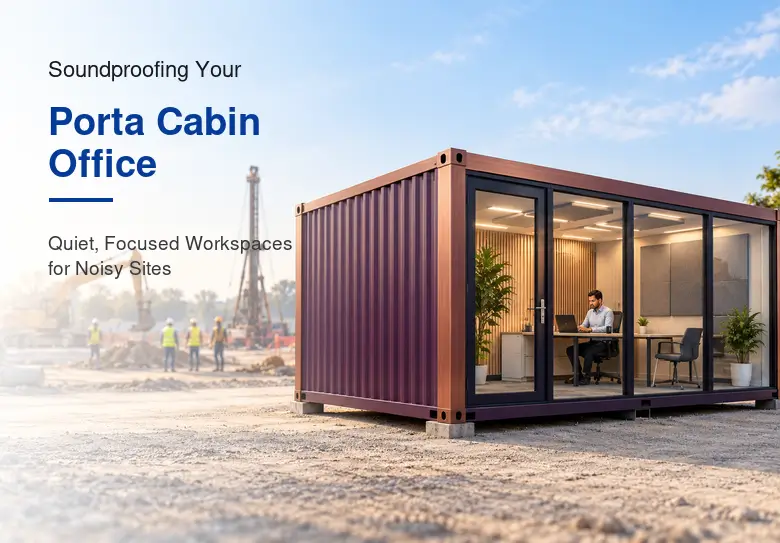
Security is also about internal confidentiality. Project managers and site directors frequently discuss sensitive contract negotiations and financial data. The interior floor plan of your modular unit should be strategically zoned. Open-plan desks can be designated for junior engineers, while acoustic partition panels can be utilized to create soundproofed private executive suites[cite: 21]. This ensures that confidential client meetings and strategic planning sessions remain entirely private, even on a crowded worksite.
Key Features & Materials: Engineered for Maximum Protection
To achieve uncompromising security, a modular workspace must be manufactured using industrial-grade materials. The precision engineering utilized by top manufacturers dictates whether a cabin acts as a vulnerable box or a highly secure corporate asset. Here are the core specifications that protect your project data:
Uncompromising Structural Mild Steel (MS) Integrity
The foundation of physical security is mass and rigidity. Premium units are built using fully continuous-welded 1.2 mm thick corrugated Mild Steel (M.S.) exterior sheets over heavy Square Hollow Section (SHS) base frames (typically 60×60 mm or 72×72 mm) and robust corner posts[cite: 21]. This rigorous engineering standard ensures a rigid, impenetrable shell that can withstand significant impact. To combat the severe coastal monsoons and corrosive environments of Eastern India, every inch of the steel frame undergoes an intensive anti-rust treatment, including an industrial Red Oxide primer and two coats of premium weather-grade Synthetic Enamel paint[cite: 21].
Advanced Thermal Insulation for HVAC Efficiency
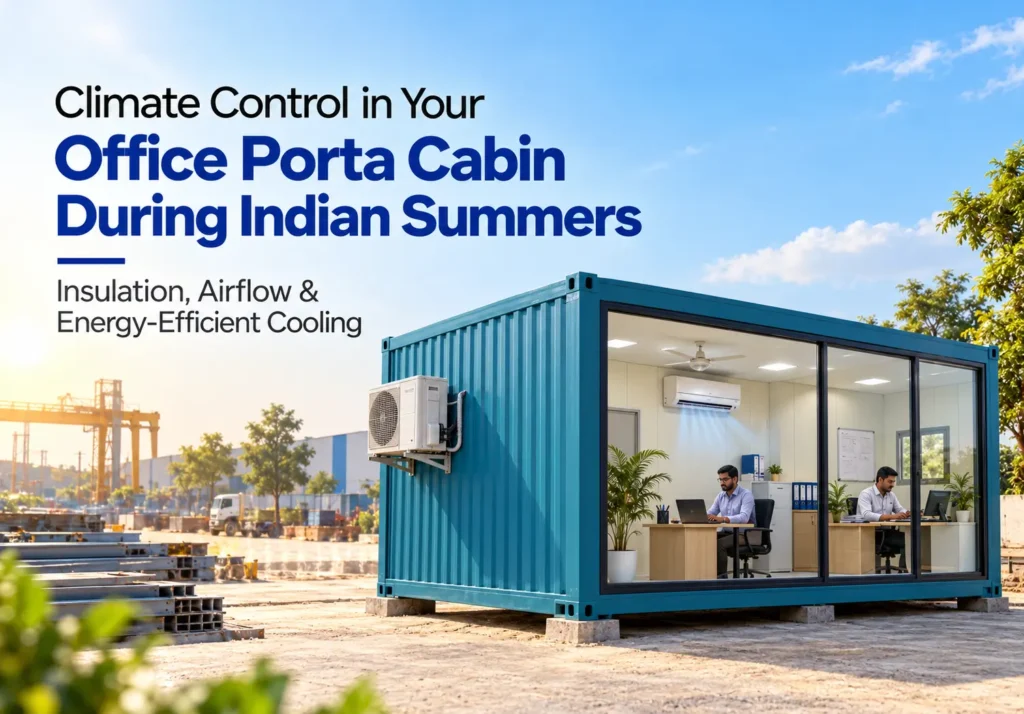
To prevent servers from overheating during the brutal Indian summer, the cabin must be thermally fortified. High-grade units are lined with a high-density 25 mm thick Glasswool or Polyurethane Foam (PUF) insulation core[cite: 21]. This robust thermal barrier traps cooled air inside during the summer and blocks out external ambient heat[cite: 21]. This ensures your air conditioning units run efficiently, protecting your hardware from thermal throttling and hardware failure while drastically reducing your daily power consumption.
Secure Glazing and Window Integration
Windows are traditionally the weakest security link in any building. To maintain a secure environment without sacrificing essential natural light, premium cabins are fitted with precisely engineered Aluminium sliding windows (typically 3 ft x 3 ft)[cite: 21]. These units feature integrated heavy-duty steel safety grills and exterior rain rail guards[cite: 21]. This allows your team to enjoy natural daylight and cross-ventilation while ensuring that expensive laptops and project blueprints cannot be extracted through the windows.
Turnkey Fire-Retardant Electrification
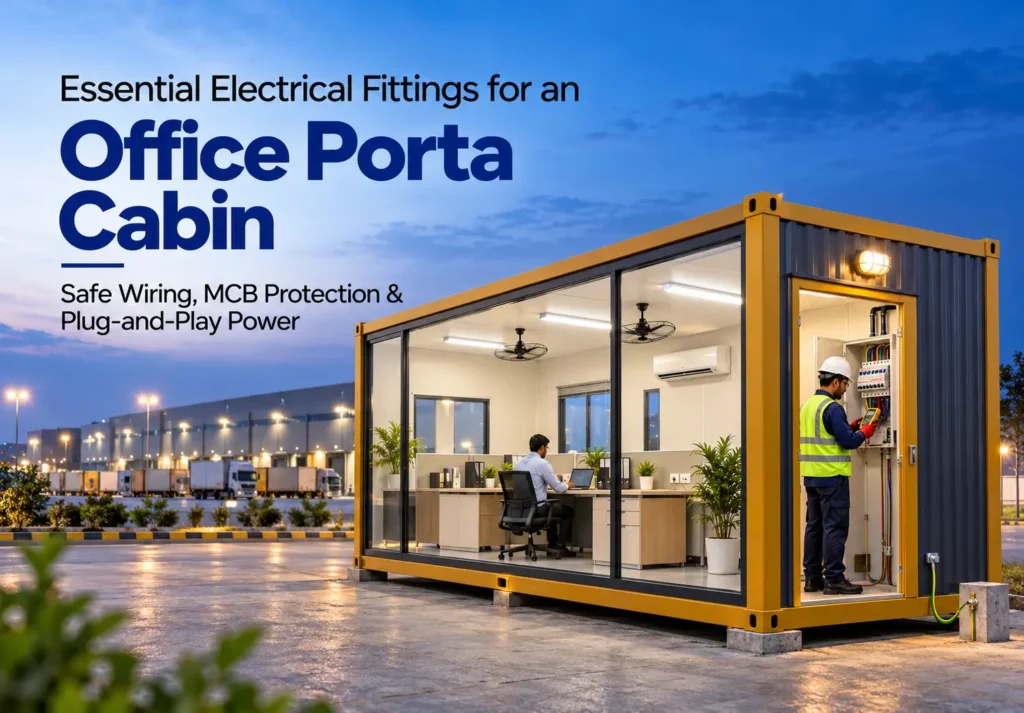
Electrical fires are a catastrophic threat to project data. Safety is paramount on volatile industrial sites, which is why all internal wiring in a premium Portable Office Container is entirely concealed using ISI-certified fire-retardant copper cables[cite: 21]. The standardized electrical layout includes dedicated high-load MCB (Miniature Circuit Breaker) distribution boards, strategic heavy-duty AC provisions, and standard switch sockets designed to safely handle the continuous power draw of modern corporate IT servers without the risk of short-circuiting[cite: 21].
Strategic Comparisons: Modular Security vs. Traditional Civil Construction
When B2B procurement teams evaluate site infrastructure investments, the comparison between modular workspaces and traditional civil construction clearly highlights the operational and financial superiority of the prefabricated approach.
Immediate Security vs. Prolonged Vulnerability
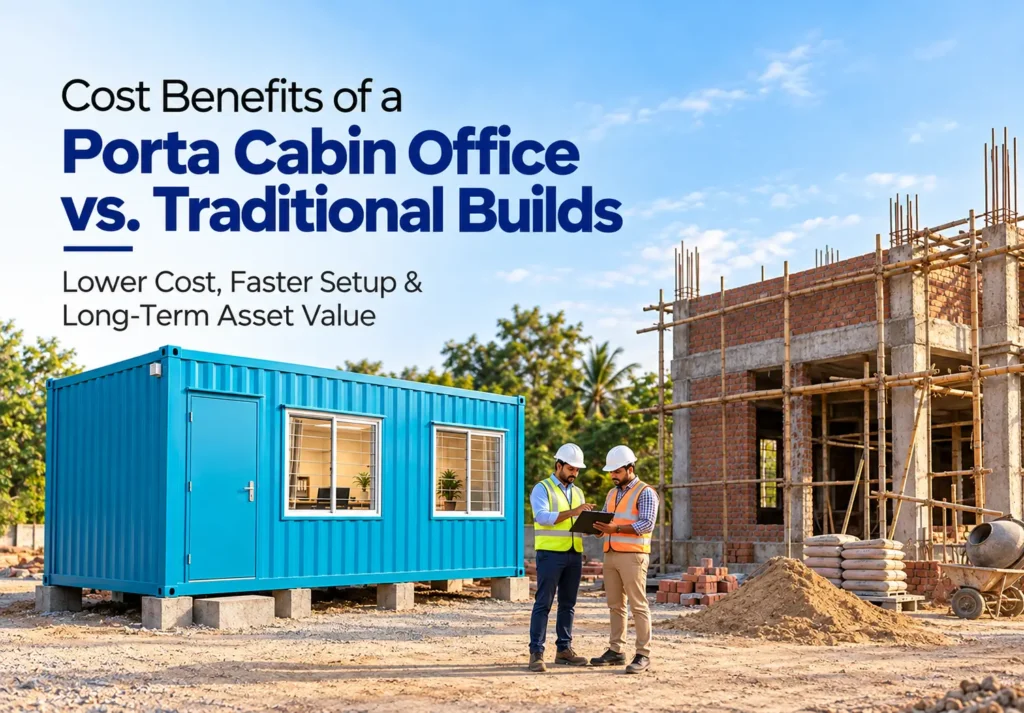
Traditional brick-and-mortar buildings require municipal permits, deep foundation excavation, and prolonged material curing times. During the months it takes to construct a civil office, your administrative team is forced to operate out of temporary, highly vulnerable sheds, exposing your hardware and data to the elements and potential theft. A modular unit is manufactured off-site and delivered entirely complete. You bypass months of costly delays and provide your team with an instantly secure, lockable, and climate-controlled sanctuary in a matter of days.
Capital Preservation and Unmatched ROI
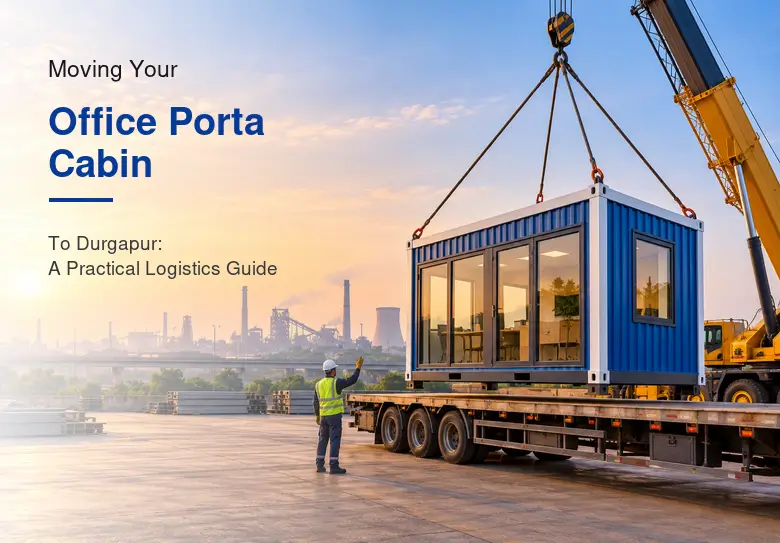
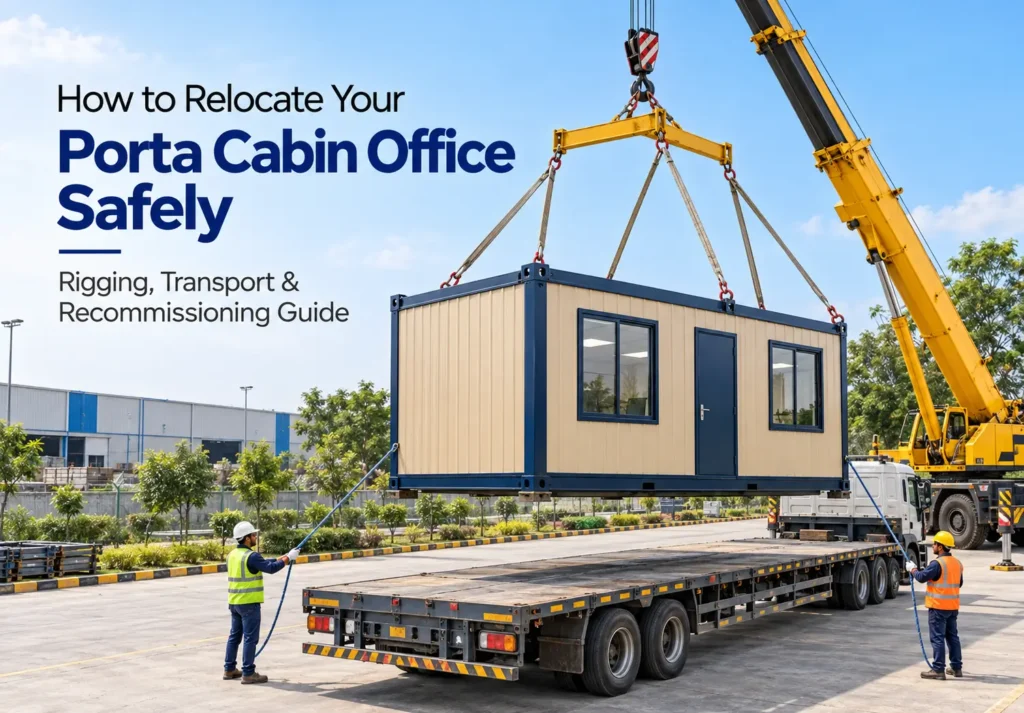
If you rely on traditional construction, the concrete building must be abandoned or actively demolished at the end of the project. The capital sunk into that building is permanently lost. Conversely, a modular cabin features integrated heavy-duty corner castings and top rigging lifting lugs[cite: 21]. This allows the unit to be safely hoisted by a standard crane onto a flatbed trailer and transported directly to your next project site without any structural degradation[cite: 21]. You purchase the secure asset once and leverage its utility across multiple project lifecycles, guaranteeing a compounding Return on Investment (ROI).
Predictable Budgeting
Civil construction is plagued by hidden costs, weather-delayed labor charges, and wildly fluctuating raw material prices. Modular manufacturing provides procurement teams with a fixed, transparent, upfront price point. There are no hidden fees or surprise material costs, making corporate budget approvals seamless and highly predictable.
Frequently Asked Questions (FAQ)
How secure is a modular cabin against forced physical entry?
Highly secure. The external shell is manufactured from fully continuous-welded 1.2 mm corrugated Mild Steel, creating a rigid barrier that is incredibly difficult to breach compared to wood, fiberglass, or standard drywall[cite: 21]. Paired with heavy-duty steel doors featuring internal hatch bolts and windows protected by integrated steel safety grills, the cabin acts as a highly effective deterrent against forced entry[cite: 21].
Can I install advanced IT servers and networking gear inside safely?
Yes. The electrical infrastructure is specifically designed for modern corporate demands. All wiring is entirely concealed using ISI-certified fire-retardant cables[cite: 21]. The cabins feature dedicated high-load MCB wiring to ensure absolute safety, standard switch sockets for servers, and dedicated heavy-duty lines specifically isolated for air conditioning units to prevent power overloading and ensure your IT gear remains cool[cite: 21].
How does the cabin protect sensitive documents from humidity and weather?
The combination of continuous seam welding on the steel exterior, heavy-duty weather-stripping on all doors and aluminium sliding windows, and 25 mm Glasswool insulation creates a highly controlled internal environment[cite: 21]. This prevents water ingress during severe monsoons and blocks ambient humidity, ensuring paper blueprints, contracts, and electronic components do not suffer from moisture damage.
Are these units suitable for the extreme industrial conditions in Kolkata and Haldia?
Absolutely. They are engineered specifically for Eastern India’s harsh climate. The intensive dual-layer anti-rust treatment—featuring an industrial Red Oxide primer and two coats of premium weather-grade Synthetic Enamel paint—ensures the structure remains completely rust-free and structurally sound even in highly corrosive coastal or heavy industrial atmospheres[cite: 21].
Why Choose PortaSpaze for Secure Infrastructure
Do not let the archaic, slow, and highly vulnerable methods of traditional civil construction dictate your project’s data security. Leaving your expensive IT hardware and confidential engineering blueprints in sub-standard temporary sheds is a risk your enterprise cannot afford to take. As a premier manufacturer in Eastern India, PortaSpaze goes far beyond basic steel fabrication. We engineer rugged, heavily insulated, and fortified modular workspaces tailored precisely to your operational dimensions, structural workflows, and corporate security standards[cite: 21].
Whether you require a compact, secure checkpoint for a logistics park, a highly fortified server room on the NH6 Corridor, or a sprawling multi-desk engineering command center in Kolkata, our specialized team delivers turnkey reliability that survives the harshest industrial environments. Upgrade your site infrastructure today, ensure your project administration and data are fully protected from day one, and secure a long-term physical asset that moves seamlessly with your business. Contact PortaSpaze today to speak directly with an engineering specialist and request a comprehensive custom quote for your next high-security modular deployment.