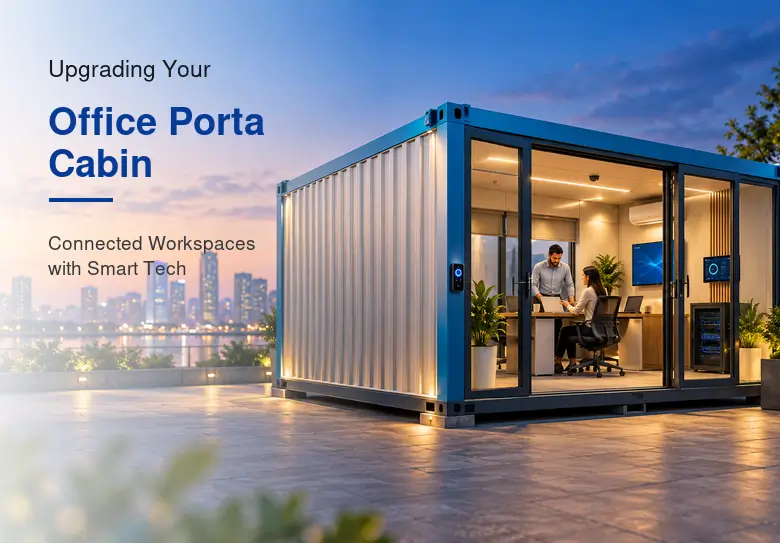
Introduction: The Digital Transformation of Site Infrastructure
As industrial development accelerates across Eastern India, project managers and B2B procurement teams are managing increasingly complex operations. From mega-infrastructure projects along the NH6 Corridor to expansive logistics hubs in Dankuni and heavy maritime operations in Haldia, the modern worksite demands continuous digital connectivity, real-time data analysis, and seamless communication with central headquarters. The traditional concept of a remote site office—a basic, disconnected shelter—is no longer sufficient for teams utilizing Building Information Modeling (BIM), cloud-based procurement software, and live drone surveillance. To support this digital transformation, your site infrastructure must evolve into an intelligent, tech-enabled command center.
Deploying a technologically advanced workspace on a rugged site requires precision engineering. The most strategic and immediate solution is to invest in a highly customized office porta cabin. By upgrading a heavy-duty prefabricated structure with modern smart technology and Internet of Things (IoT) capabilities, enterprise businesses can dramatically enhance operational efficiency, reduce energy overheads, and secure their digital assets. This comprehensive guide explores how to integrate smart tech into your modular infrastructure, transforming a standard site office into a high-performance, future-proof administrative hub.
Core Topic Deep-Dive: Upgrading Your office porta cabin with Smart Tech
Integrating smart technology into a remote worksite environment requires more than simply bringing laptops onto the premises. It involves embedding automated systems directly into the physical infrastructure of the workspace. A premium Modular Office Cabin provides the perfect structural canvas for these upgrades, allowing for concealed networking, automated environmental controls, and advanced security protocols without exposing delicate hardware to the harsh external elements of an industrial site.
1. Smart Environmental Control and HVAC Automation
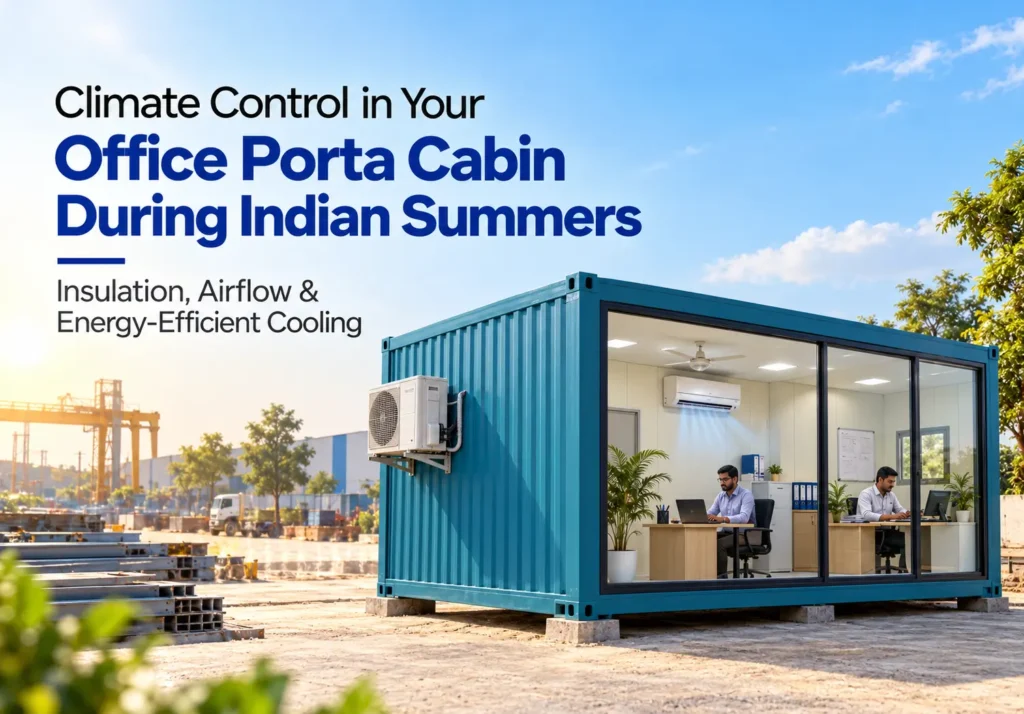
Air conditioning is one of the highest operational costs for any site office deployed during the intense Indian summer. Upgrading your workspace with smart IoT-enabled thermostats and automated HVAC controls allows project managers to optimize energy consumption. These systems can be programmed to automatically adjust temperatures based on occupancy sensors or the time of day. If the engineering team leaves the cabin for a site inspection, the smart system detects the vacancy and shifts the AC into an energy-saving eco-mode, instantly reducing power draw. Furthermore, remote monitoring allows procurement teams to track energy usage across multiple site offices from a central dashboard in Kolkata, identifying inefficiencies and predicting maintenance needs before a unit fails.
2. Biometric and RFID Access Control
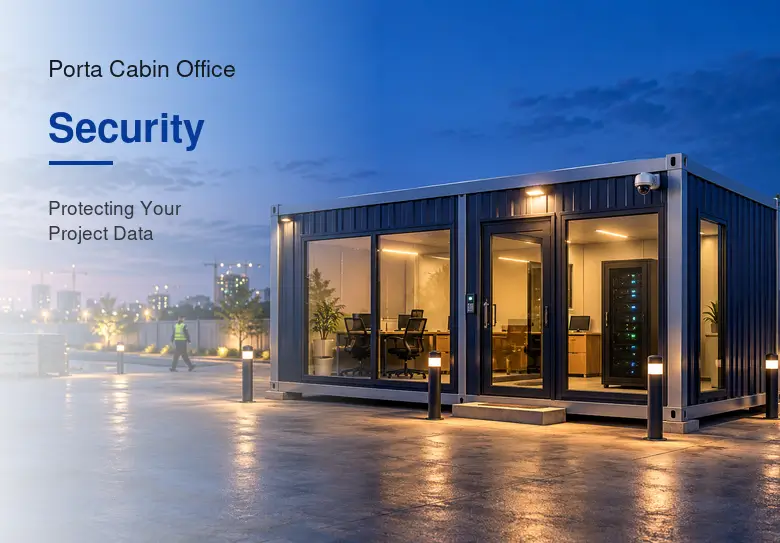
Protecting expensive IT hardware, servers, and confidential project blueprints is paramount on a transient construction site. Standard key-and-lock mechanisms are easily compromised or lost. Upgrading your site infrastructure with biometric (fingerprint or facial recognition) scanners and RFID keycard access provides enterprise-level security. These smart locks can be integrated directly into the heavy-duty steel doors of the cabin. Not only does this prevent unauthorized entry, but it also generates an automated digital log of who entered the building and at what time, seamlessly feeding into your site’s payroll and attendance management systems.
3. Intelligent Lighting Systems
Standard industrial lighting is often left running 24/7, wasting significant energy and burning out fixtures prematurely. By upgrading to smart LED panel lighting integrated with motion and ambient light sensors, your workspace becomes highly energy-efficient. As natural sunlight streams through the sliding aluminium windows during peak afternoon hours, the smart sensors automatically dim the interior LEDs to maintain a consistent lux level. When a room is unoccupied, the lights power down completely. This not only reduces electricity costs but also minimizes the thermal load inside the cabin, further assisting your HVAC systems.
4. Integrated IoT Networking and Comms Hubs
A smart workspace requires a robust digital backbone. When designing the layout of your modular unit, it is crucial to provision a dedicated, climate-controlled zone for networking hardware. Modern prefabricated units can be factory-fitted with concealed CAT6 LAN conduits, ensuring seamless integration of Wi-Fi mesh networks, cloud servers, and CCTV digital video recorders (DVRs). By building the network infrastructure directly into the walls during the manufacturing process, you eliminate the hazards of exposed trailing cables and ensure your team experiences zero connectivity downtime.
Key Features & Materials: Built to Protect Advanced Technology
Installing sophisticated smart technology in an industrial zone is only a viable strategy if the surrounding structure can protect it. A flimsy temporary shed will quickly expose delicate sensors and servers to dust, moisture, and extreme heat. A premium Portable Office Container is engineered with industrial-grade materials designed specifically to shield your internal tech investments.
Uncompromising Structural MS Steel Integrity
The foundation of your tech-enabled command center is its outer shell. High-quality modular units are constructed using fully continuous-welded 1.2 mm thick corrugated Mild Steel (M.S.) exterior sheets over heavy Square Hollow Section (SHS) base frames. This rigorous engineering standard creates a rigid, impenetrable monolithic box that prevents water ingress during severe monsoons. To combat the high humidity and corrosive environments prevalent in Eastern India, the steel frame undergoes an intensive anti-rust treatment, including an industrial Red Oxide primer and two thick coats of premium weather-grade Synthetic Enamel paint. This structural fortress ensures that your interior servers and smart devices remain completely safe from exterior physical threats.
Advanced Thermal and Acoustic Insulation
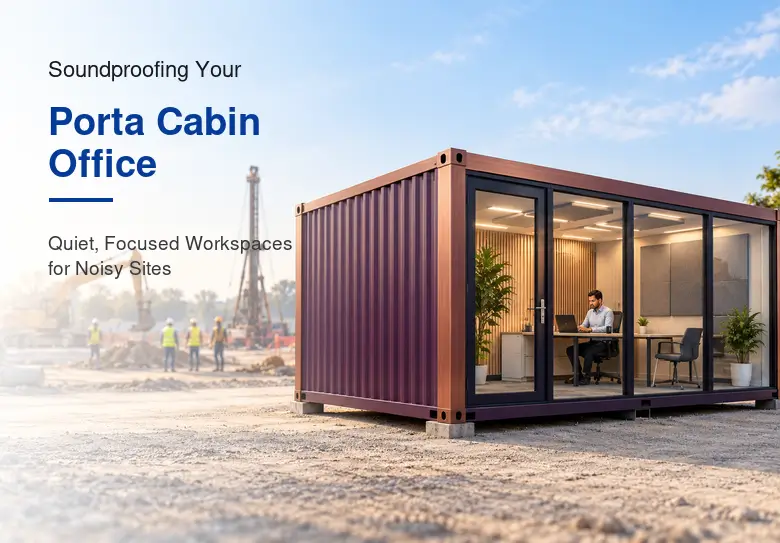
Microprocessors, servers, and smart touch-panels generate their own heat and are highly susceptible to thermal throttling if the ambient temperature rises too high. To ensure maximum climate-controlled comfort and safeguard your hardware, premium cabins are lined with a high-density 25 mm to 50 mm thick Glasswool or Polyurethane Foam (PUF) insulation core. This robust thermal barrier traps cooled air inside and blocks out the blistering summer heat. Backed by 9 mm Particle Board or 4 mm Aluminium Composite Panel (ACP) interior cladding, this insulation also acts as a powerful acoustic dampener, ensuring that voice-activated smart assistants and communication hardware are not disrupted by the deafening noise of heavy machinery operating outside.
Concealed, Fire-Retardant Electrification
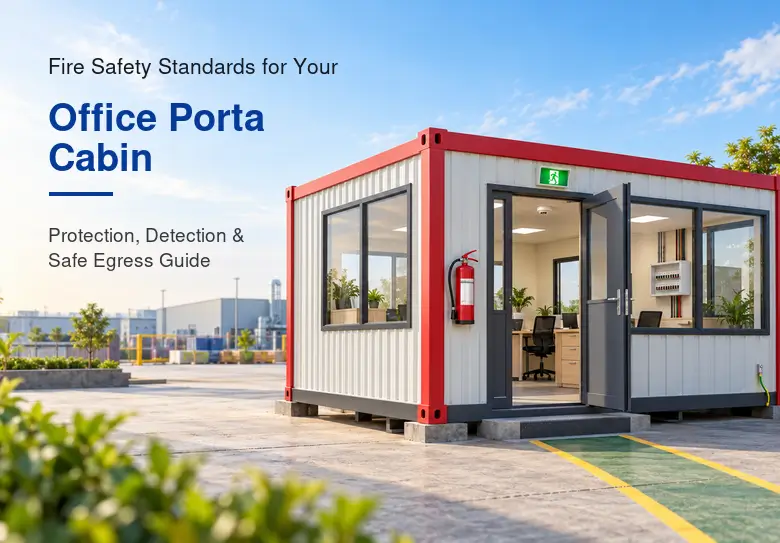
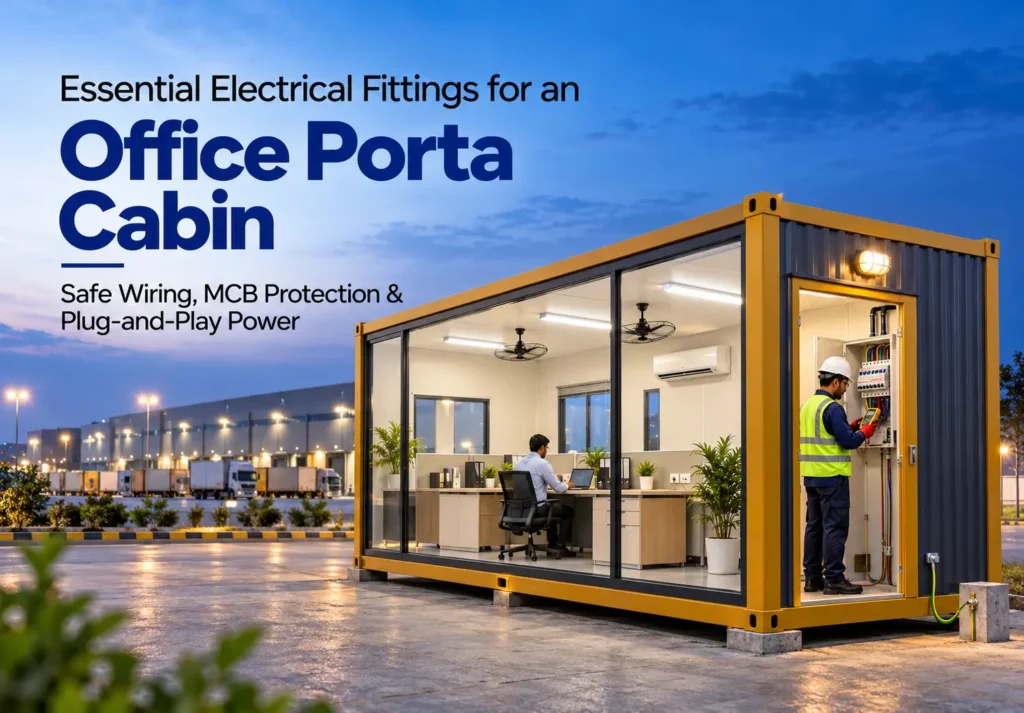
Powering smart technology requires a flawless, highly secure electrical grid. Every heavy-duty unit arrives fully equipped with concealed, ISI-certified fire-retardant copper cables. The standardized electrical layout includes dedicated high-load MCB (Miniature Circuit Breaker) distribution boards and isolated heavy-duty provisions specifically for air conditioning units and server racks. By completely concealing the wiring within the insulated wall cavities, the risk of accidental cable severance or electrical fires is drastically reduced, ensuring a stable and safe power supply for your entire IoT ecosystem.
Weather-Sealed Glazing and Doors
Airborne industrial dust is the enemy of digital hardware. To maintain a pristine interior environment, smart cabins are fitted with precisely engineered powder-coated Aluminium sliding windows featuring heavy-duty rubber weather-stripping. When closed, these seals compress to eliminate air gaps, preventing dust from infiltrating the cabin and clogging the cooling fans of your computers and network switches. The main corrugated M.S. doors are similarly equipped with tight seals and heavy hatch bolts, maintaining a clean room-like environment for your technology.
Strategic Comparisons: Smart Modular Solutions vs. Traditional Civil Construction
When B2B procurement teams evaluate where to house their site technology, the comparison between modular infrastructure and traditional civil construction overwhelmingly favors the prefabricated approach.
Seamless Factory Integration vs. Messy On-Site Retrofitting
Integrating smart technology into a traditional brick-and-mortar building involves messy, on-site retrofitting. Contractors must chisel into concrete walls to lay network cables and sensor wiring, exposing the site to dust and causing massive delays. In contrast, a Readymade Cabin is manufactured in a highly controlled factory environment. Conduits for IoT devices, biometric locks, and smart thermostats are integrated directly into the steel framing and insulation panels during the initial build. The unit arrives on your site fully pre-wired, allowing your IT department to simply plug in their hardware and instantly bring the smart systems online.
Deployment Speed and Rapid Tech Activation
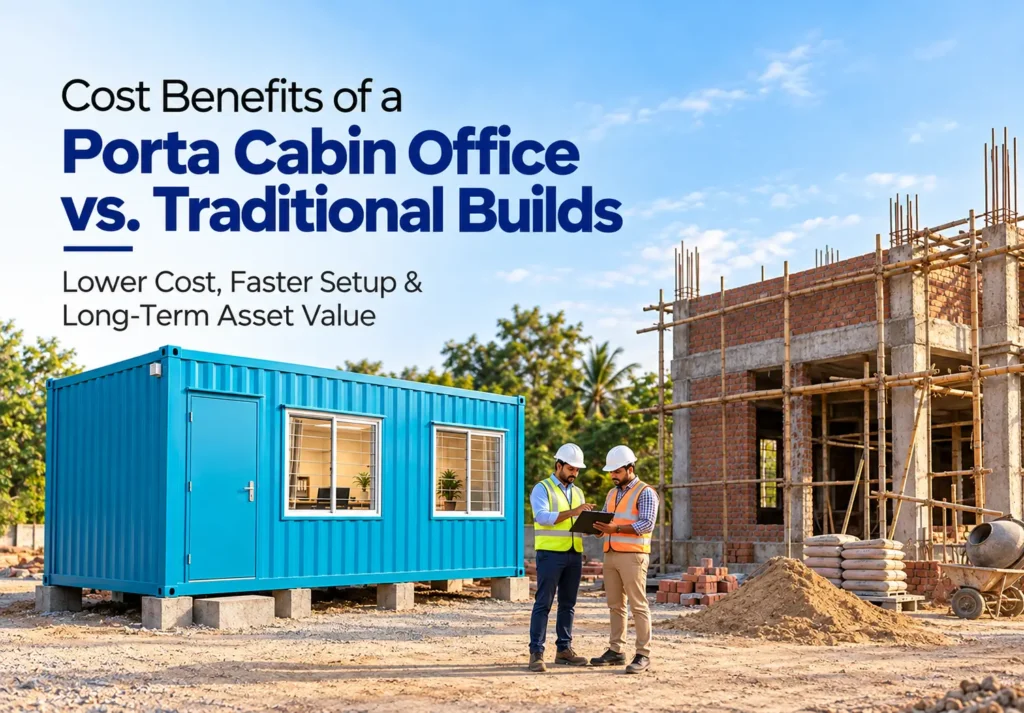
Traditional buildings require complex municipal permits, deep foundation excavation, and prolonged material curing times. It can take months before a concrete building is secure and dry enough to safely install sensitive IT equipment. A modular unit bypasses this entirely. Delivered 100% complete and weather-tight, your smart command center can be deployed and digitally activated in a matter of days. This rapid deployment ensures your project managers have access to live site data, drone feeds, and cloud software on day one of the project.
Capital Preservation and Asset Relocation
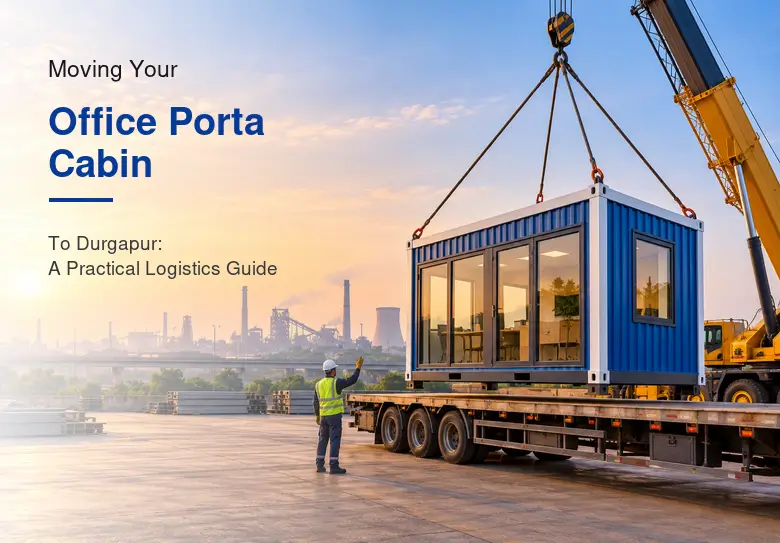
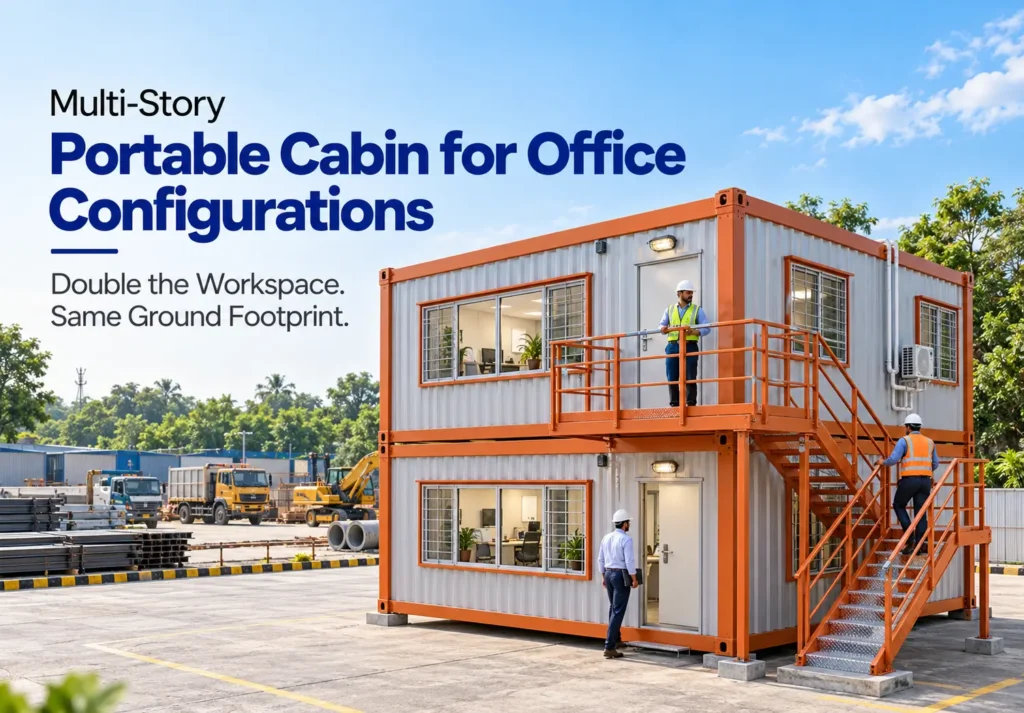
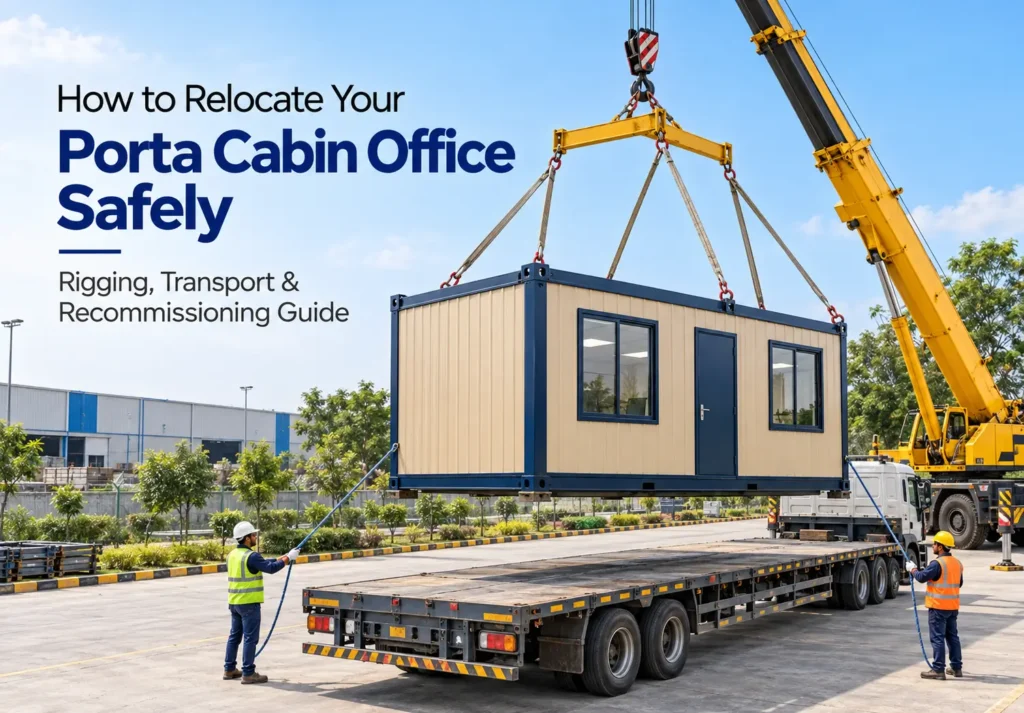
A smart building represents a significant capital investment. If you install advanced HVAC automation, biometric security, and mesh networking into a temporary concrete site office, that investment is lost when the building is demolished at the end of the project. A modular cabin offers unmatched capital preservation. Because it features integrated heavy-duty corner castings and top rigging lifting lugs, the entire tech-enabled unit can be safely hoisted by a crane and transported to your next project site. You purchase the smart asset once and leverage its technological utility across multiple project lifecycles, ensuring a vastly superior Return on Investment (ROI).
Frequently Asked Questions (FAQ)
Can smart technology be integrated into any standard office porta cabin?
Yes. Because the structural frame utilizes a cavity wall system (between the corrugated steel exterior and the interior ACP/Particle board), it is highly adaptable. Factory engineers can easily route the necessary CAT6 data cables, sensor wires, and heavy-duty electrical lines required to support IoT systems, smart lighting, and biometric access control panels before the cabin leaves the manufacturing facility.
How does smart climate control save costs on remote sites?
On busy construction sites, AC units are frequently left running at full power in empty rooms. IoT-enabled thermostats use occupancy sensors and scheduling algorithms to automatically power down or adjust the HVAC systems when the cabin is empty. This prevents energy waste, reduces the load on your diesel site generators, and extends the operational lifespan of the air conditioning compressors.
Are biometric locks and external sensors safe from industrial weather?
Yes, provided you specify IP65 or IP67-rated hardware. When integrating smart locks or external biometric scanners into our heavy-duty steel doors, we ensure they are housed in weatherproof, dust-proof casings designed specifically for rugged industrial environments. The integrated rain guards on the cabin’s exterior further protect these delicate sensors from direct monsoon downpours.
Do I need specialized power sources for an IoT-enabled Readymade Cabin?
No specialized external power sources are required. The cabin is equipped with a high-capacity MCB distribution board designed to handle modern corporate technology. You simply connect the cabin’s external main input socket to your site’s standard power grid or generator. The internal circuitry safely steps down and distributes the power to your servers, smart sensors, and lighting systems without risk of overloading.
Why Choose PortaSpaze for Your Next Smart Project
Do not let outdated, disconnected infrastructure slow down your engineering teams or put your project data at risk. In the era of digital construction and real-time logistics, your site office must be as advanced as the tools your workforce utilizes. As a premier manufacturer in Eastern India, PortaSpaze goes far beyond basic steel fabrication. We engineer rugged, heavily insulated, and technologically ready workspaces tailored precisely to your B2B operational dimensions and corporate IT standards.
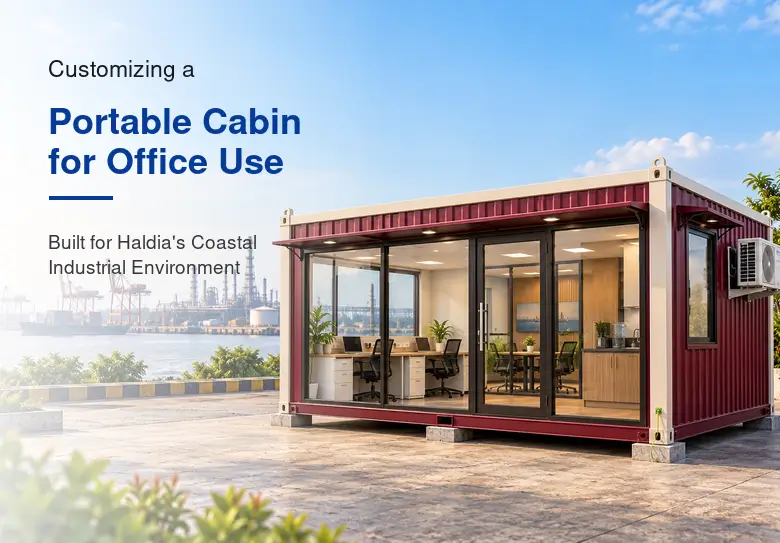
Whether you require a highly secure, biometric-controlled server room in Haldia, an energy-efficient smart administrative complex along the NH6 Corridor, or a fully customized engineering command center in Kolkata, our specialized team delivers turnkey reliability that survives the harshest industrial environments. Upgrade your site infrastructure today, ensure your project administration is fully connected from day one, and secure a long-term physical asset that moves seamlessly with your business. Contact PortaSpaze today to speak directly with a technical engineering specialist and request a comprehensive custom quote for your next smart modular deployment.